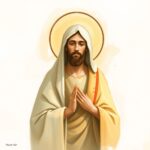
The concise but deeply resonant exhortation “Be still and know that I am God” sits at the heart of Psalm 46:10, a verse that has carried comfort to countless readers across generations. This verse does not stand alone; it sits inside a larger hymn about God’s protection, power, and sovereignty amid chaos. In many modern translations you’ll see the familiar cadence: “Be still, and know that I am God”, followed by the promise that “I will be exalted among the nations, I will be exalted in the earth” (Psalm 46:10, variations dependent on translation). The invitation to stillness is not about passive resignation; it is an invitation to trust, to pause, and to re-center one’s life around the divine reality that God reigns over history and over our personal circumstances.
In this article, we will explore Be Still and Know That I Am God from multiple angles: the verse in its historical and literary setting, the range of meanings attributed by scholars and theologians, the differences across translations, and the practical ways believers might respond to its call in daily life. We will also reflect on common misunderstandings and offer devotional practices that help a reader internalize the message rather than simply memorize the words.
Key phrases and variations to consider
Be still — sometimes translated as cease striving, stay quiet, or remain calm.
Know that I am God — an assertion of revelation and recognition: the Creator is real, sovereign, and active.
Other renderings: “Be quiet and know that I am God”, “Be silent and acknowledge that I am the true God”, and “Cease from raging and recognize the Lord”— each highlighting a facet of trust, contemplation, and submission.
Context and Setting: Where does Psalm 46:10 fit?
Psalm 46 is traditionally understood as a song focused on God as a refuge amid turmoil. It paints a picture of two mountains and a city under siege, yet it proclaims that God is our refuge and strength, a very present help in trouble. The concluding line, Be still and know that I am God, functions as a climactic acknowledgment of God’s sovereignty in the midst of crisis. It is not a formula for magical protection, but a call to trust the divine order when human plans falter.
For readers who study biblical poetry, the mood of Psalm 46 shifts from alarm to assurance. The early imagery of waters roaring and mountains trembling (a vivid metaphor for upheaval) gives way to a calm, declarative certainty: God is in control. This transition invites the reader to adopt a stance of stillness as a posture of faith, rather than a mere emotional calm. In the larger arc of scripture, such stillness is linked with worship, obedience, and confident hope in God’s ultimate, righteous reign.
Authorship: The psalm is attributed to the sons of Korah, a choir group within the Levitical tradition, which gives the song a liturgical character intended for communal worship.
Audience: The original audience was ancient Israel, but the Psalm’s themes extend to any generation facing fear, invasion, or upheaval.
Literary form: The structure blends vivid imagery, taut threat, and a final chorus of trust. The line “Be still” functions as a pivot from fear to faith.
Theological Themes: What does it mean to be still and know?
At first glance, Be still and know seems like a simple instruction, but the verse is rich with theological weight. Several overlapping themes emerge when we press into the phrase:
Sovereignty of God: The command to be still rests on the conviction that God is in charge of history, nations, and the events of daily life.
Knowledge through relationship: To “know” God in this context means relational awareness—not mere intellectual comprehension but experiential trust and dependence on God’s presence and character.
Peace as trust: The inner quietness described here is grounded in confidence that God is powerful, just, and trustworthy, even when external circumstances are loud and threatening.
Worship and reverence: Stillness is often a posture of worship, acknowledging God’s holiness and supremacy over creation and time.
A widely asked question concerns how Christians should interpret Be still in practical terms. Some readers wonder whether the command implies passivity or a denial of struggle. Others fear that stillness could be misused as a rationale for stagnation or avoidance of social justice. A balanced reading respects the distinction between:
Be still as a disposition of trust—an inner posture that allows God to act, even when human plans fail.
Be still as a cue to pause hurried striving, schemes, or self-reliance that attempt to control outcomes apart from God.
Be still as a practice within action—quiet in the heart while standing for truth, justice, and mercy in the world.
Translations, nuances, and semantic breadth
Across Bible translations, Psalm 46:10 appears with minor differences in emphasis. Some translations emphasize the imperative with punctuation, while others read with an emphasis that invites contemplation. Here are a few representative renderings:
KJV: “Be still, and know that I am God: I will be exalted among the nations, I will be exalted in the earth.”
ESV: ““Be still, and know that I am God. I will be exalted among the nations, I will be exalted in the earth!”
NIV: ““Be still, and know that I am God;” I will be exalted among the nations, I will be exalted in the earth.”
NASB: “Cease striving and know that I am God; I will be exalted among the nations, I will be exalted in the earth.”
CSB: “Let go of your concerns and know that I am God; I will be exalted among the nations, I will be exalted in the earth.”
A closer look reveals that the core idea remains consistent even as phrasing shifts: God calls his people to quiet the human voice of fear and to recognize the divine reality that transcends ordinary circumstance. The semantic breadth includes ideas like release from anxiety, recognition of divine sovereignty, and a step toward worshipful trust. The various translations, therefore, provide a spectrum of nuance—ranging from the more authoritative sense of “cease striving” to the pastoral sense of “let go of your concerns”.
Practical implications: how to live this verse daily
If Be still is an invitation to real-world practice, what might that look like in everyday life? Here are some concrete ways readers have found helpful to embody the verse in personal routines, family life, work, and community engagement.
Personal stillness and spiritual rhythm
Silent prayer or contemplative meditation in a quiet space each day to acknowledge God’s presence.
Brief, regular moments of breath prayer—inhale to acknowledge God’s sovereignty, exhale release of anxieties.
Establishing a Sabbath rhythm or a weekly day of rest to recalibrate one’s heart toward God.
Trust in God in the face of difficulty
Recognize that storms or challenges do not dethrone God’s authority; even when outcomes are uncertain, you can still trust the character of God.
Practice stating the verse aloud in moments of fear or confusion to re-anchor your perspective.
Develop a practice of journaling where you record ways God has shown faithfulness in past seasons.
In leadership or family settings, model stillness as a way to invite thoughtful listening, patient decision-making, and humble seeking of guidance from God.
In corporate worship, use the refrain “Be still and know” as a liturgical moment to acknowledge God’s sovereignty amid global or local challenges.
Encourage others to exchange stories of divine faithfulness that reinforce the truth that God is exalted in every place and season.
Common interpretations and cautions
The verse has often been a source of solace, yet it has also been misunderstood. Here are some common interpretations, along with cautions to keep the reading balanced:
Interpretation: Stillness is a posture of trust before God, not a denial of real-world action. It harmonizes with courageous, wise, and loving deeds in the world.
Caution: Do not weaponize the verse to avoid legitimate action or responsibility. The call to be still does not absolve a person from pursuing justice, care for the vulnerable, or addressing urgent needs.
Interpretation: Stillness can be a form of prayer itself—a way of opening one’s heart to God’s guidance, even when plans fail or outcomes are uncertain.
Caution: In some contexts, the counsel to be still might feel out of reach for people facing systemic oppression or acute crisis. In such cases, the verse can be paired with other biblical calls to justice, mercy, and neighbor-love.
Reflection prompts and devotional practices
If you want to engage with Be Still and Know That I Am God on a personal level, consider these prompts and practices. They are designed to foster meaningful reflection rather than superficial familiarity.
Pause for a minute of silence and notice what thoughts arise, then invite God into the space with a simple prayer such as, “Lord, grant me quietness of heart.”
Read the Psalm aloud in a quiet place, then write down any phrases that stand out, especially those that speak to God’s sovereignty or steadfast love.
Identify one situation this week where you tend to react with fear or control. Practice releasing that area to God and replacing it with trust.
Gather with a friend or family member to reflect on how the verse has shaped your understanding of God’s rule in history and in your personal life.
The message of Be still echoes across Scripture, where stillness often accompanies trust in God. Related motifs include God as refuge, God’s sovereignty, and the call to worship in the midst of trouble. Some cross-references to consider:
Isaiah 40:31 — Those who hope in the Lord shall renew their strength, a companion idea to resting in God’s strength.
Psalm 27:14 — Wait for the Lord; be strong, and let your heart take courage; wait for the Lord.
Psalm 46:1-3 — God is our refuge and strength, a very present help in trouble; therefore we will not fear.
Psalm 62:5-8 — For God alone, O my soul, wait in silence, for my hope is from him.
Historical and theological meditations on stillness
Throughout church history, theologians and spiritual writers have reflected on the discipline of stillness. In contemplative traditions, stillness is not a passive absence of activity but a deliberate orientation of the heart toward God. The practice has been described as a way to discern God’s voice amid the noise of modern life, to cultivate humility before divine sovereignty, and to cultivate a posture of grateful worship regardless of circumstance.
Contemporary believers often approach Be Still as a doorway to mental health and emotional resilience as well. In a world full of constant stimuli, the invitation to quietness can contribute to better discernment, clearer values, and deeper community life. Stillness becomes a virtue that helps people move from reaction to thoughtful response—an essential habit in leadership, parenting, and stewardship.
Conclusion: embracing stillness as a form of faith
The exhortation to Be still and to know that I am God is not a mere slogan. It is a call to cultivate trust in a God who is bigger than the storms we face. It invites believers to pause their hurried striving, acknowledge God’s sovereignty, and enter into a relationship marked by dependence, reverence, and hopeful anticipation of God’s exaltation over the earth. In practice, this means embracing stillness as a daily discipline, allowing it to shape decisions, emotions, and actions toward greater harmony with God’s purposes.
Whether you read the verse as a personal reassurance, a communal confession, or a model for worship, the underlying truth remains: God reigns, and in the quiet, we have the opportunity to recognize, respond, and rest in that reality. May the practice of stillness deepen your faith and broaden your understanding of God’s gracious rule over the cosmos.