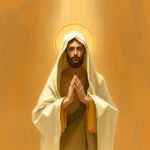
Fire appears in the Bible as a dynamic, multi-faceted symbol that stands for more than a mere physical flame. It is a divine flame that reveals God’s character, shapes faith, and inaugurates moments of transformation. In Scripture, fire can signify God’s presence, a refining process, a holy zeal, or decisive judgment. It can also accompany miraculous moments that reveal God’s power to intervene in history. This article explores the bible fire in its broad meanings, its rich symbolism, and the notable miracles connected to fire across both the Old and New Testaments.
The Biblical fire is not a single idea expressed in one way. Rather, it is a spectrum of meanings tied to the nature of God and the purposes He pursues in creation. Across Scripture, fire consistently signals a divine intrusion into human history, a manifestation of holiness, and a call to response. Some of the most important themes include:
God’s presence — Fire often marks where God is and when He draws near. The imagery of a burning bush and a visible pillar of fire in the wilderness makes God’s nearness tangible to people who live in a world of ordinary sight.
Holiness and purification — Fire is a refining agent that purifies raw metal and the human heart. In biblical poetry and prophecy, the refining fire separates dross from gold and tests the sincerity of faith.
Sacrifice and worship — Sacred offerings require a fire on the altar to consume the sacrifice, symbolizing devotion and acceptance by God. The altar fire demonstrates that worship is not merely a feeling but a response that meets divine fire with sacrifice.
Judgment and revelation — Fire can be a tool of judgment, burning away rebellion and evil, while also revealing what is true and righteous to human beings.
Power and zeal — The holy fire indicates God’s zeal for HisName and His people, spurring courage, boldness, and mission in the face of opposition.
Light and illumination — Fire provides light in darkness, serving as a symbol of revelation, guidance, and spiritual insight.
In all these ways, the divine flame in Scripture is a call to respond: to repent, to worship rightly, to trust God, and to continue in faithfulness even when the flame tests the heart.
Symbolism and Theological Themes of Fire
To understand how fire in the Bible works symbolically, it helps to outline the core themes it sustains throughout the biblical narrative. Here are the major strands of symbolism that recur in both testaments:
Presence — The flame signals God’s nearness. The pillar of fire that led Israel by night and the burning bush that spoke to Moses are vivid reminders that God inhabits the midst of His people.
Purification — In prophetic literature, refining fire refines faith and character. The imagery appears in passages that describe God testing, purifying, and purging His people so that their faith may endure like refined gold.
Sacrifice and worship — The altar fire consumes offerings and sanctifies worship. This underlines the dynamic interaction between human devotion and divine response in covenant relationship.
Judgment and warning — Fire can be a decisive instrument enacted to discipline or judge sin. Yet even judgment often carries the possibility of repentance and restoration for those who turn back to God.
Holy Spirit and empowerment — In the New Testament, fire stands beside the Spirit, empowering the disciples for witness and mission and turning individuals toward courageous living in obedience to Christ.
Revelation and future hope — Apocalyptic literature speaks of unquenchable fire and a lake of fire, calling readers to faithfulness and hope in the face of ultimate judgment and ultimate renewal.
The Fire as a Manifestation of God’s Presence
Several classic scenes in Scripture use fire to signify God’s nearness and authority. In the Old Testament, these moments are not merely sensational; they carry a theological charge about who God is and how humans ought to respond.
The Burning Bush and the Pillar of Fire
The encounter with Moses in the burning bush (Exodus 3) is a foundational moment for the people of Israel. A burning bush that remains unconsumed draws Moses toward a divine commission. God speaks out of the bush, declaring His name and purpose for delivering His people from Egypt. The vision itself is striking because it shows a divine flame that does not consume the plant, signaling a holy mystery—God’s presence that transcends ordinary laws of nature, yet remains accessible to a chosen servant.
Later, the Israelites are guided by a pillar of fire by night and a cloud by day, a visible, protective presence in the wilderness. This pillar is not merely meteorology; it is a sign of covenant trust, a constant reminder that God accompanies His people on their journey. The same symbol recurs as they enter into a land of promise and are called to obey the terms of the covenant.
In addition to these public displays, the fire of God in the Old Testament often accompanies decisive acts of redemption. When God accepts a sacrifice at a specific altar, the altar fire consumes the offering and signifies divine acceptance. This pattern demonstrates that worship is a real encounter with the holy God, demanding reverence, obedience, and grateful response.
Fire as Purifier and Refiners in Scripture
One of the most persistent images in Scripture is that of refinement by fire. The purifying fire is not a punishment meant to crush, but a process that shapes, clarifies, and purges impurities from faith and life.
Refiner’s Fire: Purification and Testing of Faith
The prophetic and Wisdom literature frequently speaks of God’s refining fire. The image of metal refined in a crucible mirrors the way God tests and purifies His people. The aim is to produce a faith that is tested, trust-worthy, and enduring under pressure. In this sense, the scripture’s use of fire as purification invites believers to endure trials with hope, knowing that the ultimate goal is a purer devotion and a stronger witness.
New Testament authors carry this language forward by teaching that faith, like gold, is refined through tests. While the imagery comes from the old refining processes, the application in Christian experience emphasizes perseverance, humility, and a dependence on God rather than on human strength. Thus, the fire of refinement becomes a spiritual discipline that yields character that pleases God.
Fire in Sacrificial Worship and the Old Covenant
A central place for the altar fire in biblical worship is the Levitical system, where offerings are sanctified through fire. The ancient Israelites approach God with offerings that are consumed by flame, turning ordinary elements into sacred acts. This ritual reveals the seriousness of sin and the costly grace God provides to atone for it.
The burnt offering (olah) is entirely consumed by fire, symbolizing complete dedication to God.
The fellowship offerings (shelem) and other sacrifices also involve fire, linking communal worship with divine acceptance.
The vision of a purified people through sacrificial ritual points forward to a greater spiritual reality fulfilled in Christ, who offers Himself as the ultimate sacrifice and who sends the Holy Spirit to empower believers for holy living.
Old Testament Miracles Involving Fire
The biblical narrative is replete with dramatic moments where fire reveals God’s power, presence, or judgment. These stories are not merely sensational; they illuminate the character of God and invite respondents to faith and repentance.
Elijah and Fire from Heaven (1 Kings 18)
One of the most famous demonstrations of the biblical fire is when the prophet Elijah calls down fire from heaven to consume a water-soaked sacrifice on Mount Carmel. The scene is a public confrontation with the prophets of Baal that ends with God’s power being unmistakably demonstrated: the fire from heaven consumes the offering, the wood, the stones, and even the water around the altar. This event authenticates the God of Israel in the eyes of the people and leads to a restoration of the true worship that had been compromised by foreign idols. The narrative emphasizes that the living God is active in history and that faithfulness to Him invites divine intervention in dramatic ways.
Beyond the spectacle, the episode teaches a theology of faith that trusts not in one’s own cleverness or ritualism, but in the all-surpassing power of the Creator who acts decisively on behalf of His covenant people.
Daniel’s Fiery Furnace: Deliverance through Faith
In Daniel 3, three Hebrew youths—Shadrach, Meshach, and Abednego—refuse to worship the golden statue set up by a king who expects universal allegiance. They are cast into a furnace heated seven times hotter than usual, yet they emerge unscathed, unharmed by the flames. The soundness of their faith and their survival become a powerful testimony to God’s faithfulness and sovereignty. A fourth figure is seen with them in the fire, commonly understood as a theophany or the presence of divine protection. This miracle underscores that fidelity to God carries the risk of persecution, yet faith in God’s deliverance transforms danger into a platform for witness.
Burning Bush: God Calls Moses through Fire
The initial calling of Moses occurs in a burning bush, a sign of holy presence that defies natural expectations. The bush is not consumed, signaling a holy mystery that draws Moses into God’s redemptive mission. This event inaugurates the Exodus narrative and initiates a pattern in which God reveals His name, purposes, and plan through a miraculous and intimate encounter with His people.
Fiery Chariot and Other Signs
Later biblical accounts speak of fire in more symbolic ways, including the fiery chariot that transports Elijah to heaven (2 Kings 2:11). While not a fire miracle in the sense of consuming something, the imagery reinforces the idea of God’s dynamic activity in history and the hope of restoration and continuation of prophetic mission even after the prophets depart.
Miracles of Fire in the New Testament
The New Testament extends the symbolism of fire in ways that emphasize the coming of the Holy Spirit, empowerment for mission, and the ongoing presence of God in the church. Fire remains a sign of God’s activity, now mediated through Christ’s redeeming work and the church’s mission in the world.
Pentecost: Tongues of Fire and the Spirit’s Empowering Presence
On the day of Pentecost, the Apostles experience a dramatic outpouring of the Holy Spirit, and “divided tongues as of fire” appear over each believer. This fire of the Spirit rests on them, and they are empowered to proclaim the gospel in languages they had not learned. The event marks a new era in which the divine presence is not confined to a temple or a literal flame but dwells within believers as the Spirit’s seal and power. The symbolism of fire here is both energizing and purifying: it enables fearless witness, clarifies truth, and forges a community of believers united by the Spirit’s action.
Baptism with the Holy Spirit and Fire
Jesus’ teaching about John the Baptist’s prophecy, that He would baptize with the Holy Spirit and with fire, is echoed in the Gospel accounts (for example, Luke 3:16 and Matthew 3:11). This language connects the Spirit’s coming with a transformative energy—an immersion that purifies, empowers, and equips followers for service. The divine flame in this context functions as both a cleansing and commissioning experience, setting apart believers for mission and holiness.
Judgment and Discipline in the Early Church
The early church also encounters the sovereign use of fire as a form of divine discipline in the book of Acts. For example, the discipline that comes upon Ananias and Sapphira as a consequence of their deceit is portrayed as coming from God in a direct, striking manner. While not a standard miracle or sign, this narrative communicates that God’s holiness continues to be at work within the community, maintaining integrity and accountability among those who bear witness to the gospel.
Eschatological Fire and Future Hope
Scripture also speaks of unquenchable fire and a final judgment that involves fire in the last things. The word pictures associated with the end of the age—such as the lake of fire in Revelation—offer a sobering but hopeful message: God will judge evil, yet He will also redeem and renew all things. The language of fire here is not merely punitive; it is the ultimate display of God’s holy justice and His commitment to creation’s future with Him.
Unquenchable fire describes the inextinguishable nature of certain divine judgments and warnings against persistent rebellion against God.
The lake of fire imagery in Revelation 20 evokes the ultimate separation from God for those who reject His grace, while simultaneously pointing to the hope of a new creation where righteousness dwells.
These passages invite readers to live with urgency, repentance, and faithful endurance, trusting that God’s divine fire will ultimately bring about justice, restoration, and the triumph of His kingdom.
Fire in Bible Practice: How God’s Fire Shapes Faith Communities
Across the biblical narrative, fire shapes not only individual spirituality but also communal practice. Churches and faith communities can draw several practical lessons from the biblical fires we have described:
Humble reverence before God’s holiness — Recognize that God is holy and holy fire demands a proper approach to worship and obedience.
Purification through discipline — Trials and refining experiences can strengthen faith if met with humility, repentance, and dependence on God.
Empowerment for witness — The Spirit’s fire enables bold proclamation of the gospel, including languages or expressions that reach diverse audiences.
Hope amid judgment — Fire as judgment reminds believers of the seriousness of sin and motivates perseverance in faith, while the gospel offers reconciliation and renewal.
Missional fire — The energizing power of the Spirit fires the church for mission, sending believers into the world with courage and love for others.
Common Misunderstandings About Biblical Fire
Given fire’s dramatic nature, it is easy to misinterpret its biblical use. Here are a few cautions to keep in mind when engaging with bible fire imagery:
Fire in Scripture is not a blanket endorsement of violence or aggression; it is a symbol that must be interpreted within the larger biblical narrative of God’s character and redemptive purposes.
Not every reference to fire implies a violent event; some are about discipline, purification, or the Spirit’s empowering presence for mission.
New Testament expectations of Baptism with the Holy Spirit and fire should be read in light of the broader gospel: salvation by grace through faith, followed by transformation and service enacted by the Spirit.
When fire is used as judgment, the biblical writers often invite repentance and restoration rather than resignation to doom, emphasizing God’s desire that all be saved.
Frequently Considered Questions about Bible Fire
To sum up the study of fire in Scripture, here are brief answers to common questions readers ask:
Q: Why does God use fire in so many ways? A: Fire is a potent symbol that communicates presence, holiness, power, purification, and ultimate justice—elements essential to God’s redemptive plan.
Q: Is fire always a sign of God’s favor? A: Not always. Fire may signify blessing and empowerment (as at Pentecost) or judgment (as in some prophetic warnings). The context determines the meaning.
Q: How should believers respond to biblical fire today? A: With reverent worship, faith that endures trials, a readiness for God’s leading, and a reliance on the Holy Spirit to empower faithful witness.
Conclusion: The Enduring Significance of Divine Fire
Throughout the Bible, divine fire remains a powerful and multifaceted symbol. It marks the boundary between the holy and the profane, the human and the divine. It tests and purifies, reveals and empowers, judges and invites. The bible fire stories—from the burning bush that calls a reluctant leader to the tongues of fire that empower a risen church—invite readers into a deeper encounter with God. They remind us that a living faith is not merely a set of ideas but a dynamic relationship with a God who is present, holy, and at work in the world. As you study these passages, consider how the fiery themes of Scripture might shape your own devotion, your community’s life, and your calling to bear witness to the transforming power of God’s love.